
Brick or Faux Stone for Commercial Properties? What Designers Recommend
Let’s be real: designing a commercial building isn’t like decorating your living room. It’s not just about what looks good. It’s about creating something that speaks for your brand, lasts through the seasons, and doesn’t send your budget into cardiac arrest. And somewhere along that stressful journey, you’ll probably face the classic question: brick or faux stone?
At first glance, these two might seem similar—solid, traditional, tried-and-true materials. But oh, they’re not twins. In fact, according to designers, choosing between them can totally shift the way people see your business. So, before you start pointing at Pinterest boards or throwing around terms like “timeless aesthetic,” here’s what you need to know. Spoiler alert: there’s no one-size-fits-all answer, but we’ll help you get way closer.
The Case for Brick: A Classic for a Reason
Brick has been around for centuries. Romans used it. Your grandpa probably swore by it. And today, many designers still lean toward it for certain commercial projects—and not just because of nostalgia.
Durability that doesn’t flinch.
Brick is basically the Hercules of building materials. It stands up to heat, snow, hail, and just about anything else Mother Nature can dish out. For commercial properties in areas with dramatic weather shifts, that kind of dependability is gold.
Low-key maintenance.
Ask any facilities manager what they dread the most, and they’ll probably mumble something about repairs. Brick? It barely asks for attention. You won’t be power-washing it every few weeks or patching up cracks every season.
Built-in curb appeal.
There’s just something about brick that screams “trustworthy.” Banks use it. Universities build entire campuses with it. It gives off this aura of permanence, and if that’s the vibe you want your business to give off—solid, rooted, reliable—brick’s a smart bet.
But here’s the rub:
Brick doesn’t like sudden trend shifts. If your brand is all about modern minimalism or edgy innovation, that old-school look might feel out of sync. And then there’s cost—between materials and labor, real brick can leave your budget looking a little pale.
Faux Stone: The Stylish Chameleon
Now let’s talk about faux stone—also known as manufactured stone veneer or just stone veneer if you want to sound fancy.
Surprisingly good looks.
Honestly, most people can’t even tell it’s not real stone unless they’re up close and poking at it. The textures, the color blends, the shape variety—it’s all designed to mimic the real deal. And with today’s tech, it does a pretty convincing job.
Lighter, faster, cheaper.
That’s not just marketing fluff. Faux stone is way lighter than natural stone or brick, which makes it easier (and less expensive) to install. No heavy-duty equipment, no reinforced walls, and usually, less time on-site. Translation? Lower labor costs and shorter timelines. That’s music to a project manager’s ears.
Design freedom unlocked.
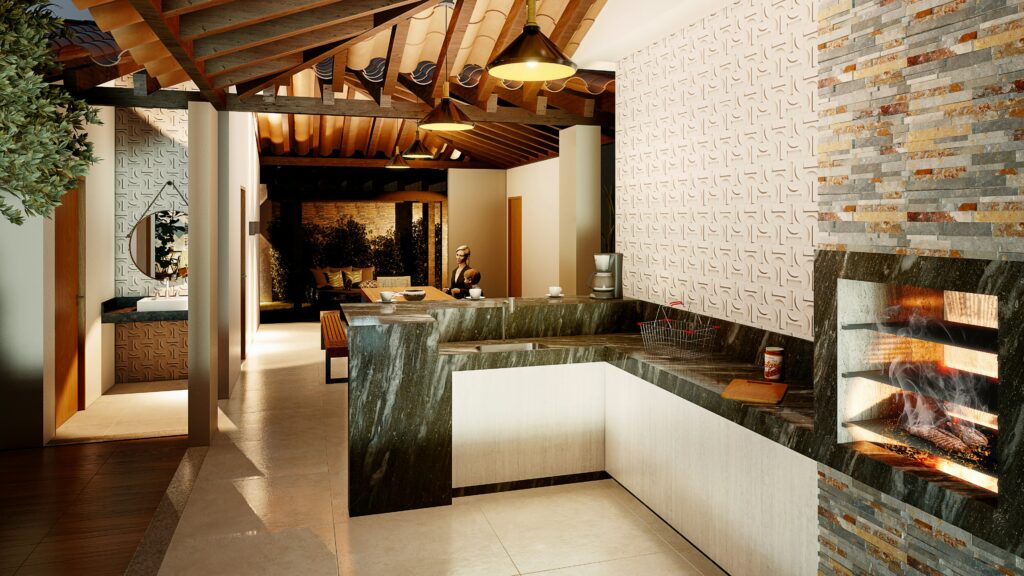
This is where faux stone gets a leg up. Want a dramatic accent wall? A fireplace that looks straight out of a ski lodge? A sleek façade with subtle texture? Faux stone lets you play around more. Designers love that flexibility, especially for retail and hospitality spaces where atmosphere really matters.
But beware:
Faux stone, while durable, doesn’t have the same battle-hardened toughness as brick. If it’s not installed properly, water can sneak in behind it—leading to peeling or even structural issues. And while the initial cost is lower, cheap materials or bad craftsmanship can turn that “deal” into a money pit later.
What Commercial Designers Actually Say
We asked a few commercial designers what they usually recommend, and the answers were… nuanced. But here’s the gist:
For financial institutions, schools, and healthcare buildings:
Brick wins. These spaces need to communicate security and longevity. “Clients don’t want flashy or trendy here,” one architect told us. “They want materials that look like they’ll still be standing in fifty years—and that people will trust.”
For restaurants, boutique hotels, and high-end retail stores:
Faux stone often takes the spotlight. Designers love how it can channel rustic charm, modern chic, or even Mediterranean vibes, depending on the style. “It’s all about storytelling,” says one interior architect. “Faux stone lets us build a whole mood without bulldozing the budget.”
For office parks and mixed-use developments:
It depends. Sometimes they mix both—brick for the core structure, faux stone for accents and entryways. It’s a combo that balances budget, aesthetics, and performance.
It’s Not Just Looks—It’s Branding
Let’s not forget: your building says a lot before someone even walks in. Brick can whisper “heritage” and “stability.” Faux stone might shout “style” and “modern edge.” What message do you want your visitors or clients to get?
A funky tech startup might feel oddly out of place in a traditional brick building, while a high-end spa wrapped in faux stone could look sleek and inviting. And if you’re trying to attract tenants, especially in retail or hospitality, aesthetics aren’t just decoration—they’re part of the sales pitch.
A Few Unfiltered Tips Before You Choose
Okay, real talk. Here are a few things no one tells you upfront:
- Ask about local building codes. Some regions still prefer or even require real masonry for commercial facades. Others don’t care. Either way, find out early.
- Don’t skimp on the installer. Seriously. A bad faux stone job can look like cheap Halloween décor after one winter. Go with someone who’s done commercial work before—and check their portfolio.
- Consider your long game. If this building is a short-term investment, faux stone might be more strategic. But if it’s a 50-year flagship location? Brick could pay off.
- Mixing materials is not a crime. In fact, a brick base with faux stone accents can give you the best of both worlds—classic durability with a splash of personality.
Final Thoughts: It’s Not Just a Wall, It’s a Statement
Choosing between brick and faux stone for your commercial property isn’t just about the physical material. It’s about the message you’re sending, the people you want to attract, and the way your business wants to be seen—five, ten, twenty years from now.
Some designers swear by brick’s timeless charm. Others gush about faux stone’s versatility. But the best recommendation? Don’t just pick what looks good. Pick what works for your space, your goals, and your brand’s personality.
And if you’re still stuck between the two? Maybe that’s a sign to get a little creative. After all, no rule says you can’t mix and match. A little contrast never hurt anyone.
Hey, if your building’s going to be standing there for decades—might as well make it worth looking at.