
A Practical Look at Hardwood Floor Installation and Refinishing in Everyday Homes
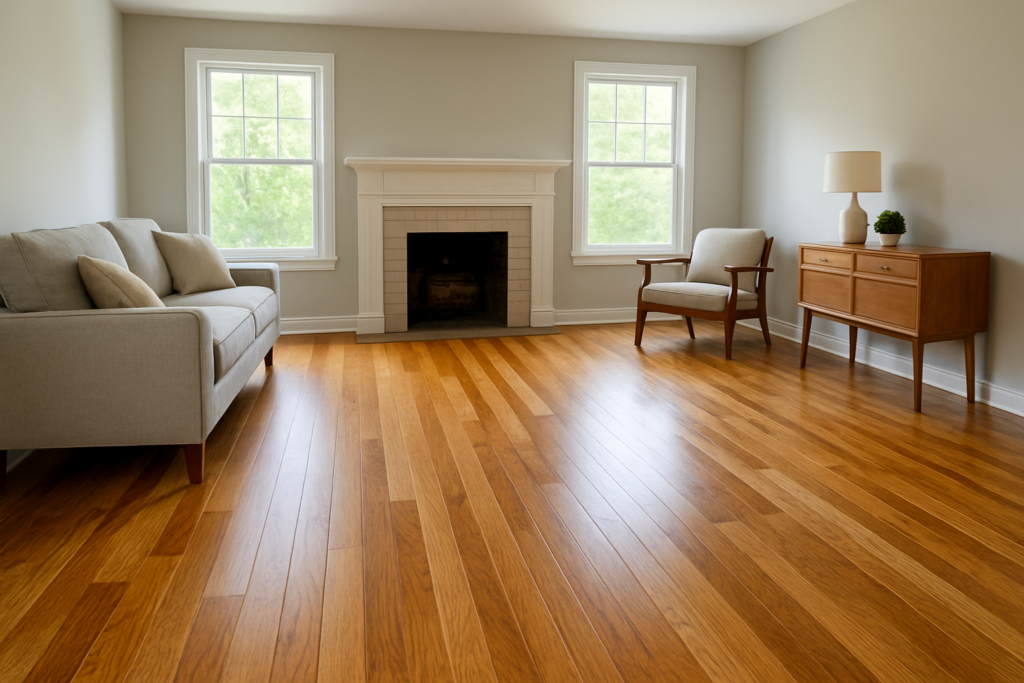
Hardwood flooring is one of those materials that quietly changes how a room feels the moment it’s installed. Some people describe it as warmth, others say it makes a space feel more grounded, and a few simply like the idea that the floor beneath them is made of something natural rather than synthetic. Whatever the reason, hardwood continues to be a major part of home design, especially in older neighbourhoods across the GTA where wood floors have been used for generations.
If you look at the history of wood flooring, the Wikipedia entry provides an interesting overview of how it evolved, from rough-cut planks to the more refined systems we use today: https://en.wikipedia.org/wiki/Wood_flooring
It’s a reminder that the idea of a wooden floor isn’t new at all—what has changed is the way we install it, restore it, and maintain it.
That leads to the practical part of the conversation: the actual work that goes into installing hardwood floors or bringing older ones back to life. It’s not simply a matter of laying down boards. Hardwood behaves differently depending on the species, the moisture in the house, the age of the building, and even the season. People often discover this only when they begin planning a renovation and realize the project involves more decision-making than expected.
What Goes Into Installing Hardwood Floors
When someone decides to install hardwood flooring, a lot happens before the first plank is nailed or glued down. Subfloors have to be checked for levelness, joists need to be solid, and the humidity in the home has to be within a certain range so the wood won’t expand or contract too dramatically later. It’s one of the reasons professionals spend a fair amount of time preparing the space before any actual laying hardwood floor work begins.
Different homes also require different installation methods. Some floors are nailed, others are stapled, and some are glued—particularly engineered hardwoods or installations over concrete. Each method has its own logic, but the goal is always the same: stability and longevity.
People who live in older Toronto homes often visit pages like https://robarflooring.ca/hardwood-flooring-in-toronto/
just to understand what type of wood their home can support. Many of these houses already have hardwood hidden beneath older carpets or vinyl, and sometimes the best approach is not installing new material at all, but uncovering and repairing what’s already there.
Refinishing and the Life Cycle of a Hardwood Floor
One of the most interesting aspects of wood flooring is how it ages. Unlike many materials that simply wear out, hardwood tends to evolve. Scratches, colour changes, and patterns of wear tell a story about how a home was lived in. Eventually, though, there comes a point when refinishing hardwood floors becomes necessary.
Refinishing isn’t a single task—it’s a combination of sanding, repairing, smoothing, staining, and sealing. The process can be messy, but the results can be striking. Floors that looked tired or uneven often emerge with an entirely new personality. The phrase hardwood flooring refinishing covers a wide range of techniques, from light abrasion and re-coating to full sanding down to the raw wood.
There’s also a practical side to this. Refinishing is often less expensive than replacing a floor entirely, and it keeps the original material in place—a benefit for homeowners who appreciate the craftsmanship that went into older flooring. Toronto, in particular, has many homes with sturdy oak or maple floors that respond extremely well to hardwood floor refinishing when handled properly.
Understanding the Work Behind the Scenes
Homeowners often assume that hardwood work is mainly about the visible finish, but so much of the project is invisible. Moisture readings, subfloor inspections, leveling compounds, transitions between rooms, trimming around radiators, and the choice of protective coatings all affect how the floor performs over time.
It’s also common for people to underestimate how much preparation goes into hardwood floor installation in occupied homes. Furniture has to be moved, baseboards removed or undercut, and the workspace kept clean enough to avoid dust settling into the final finish. Patience becomes part of the process.
Yet the results tend to feel worth it. A properly installed or refinished hardwood floor has a kind of quiet presence. It doesn’t try to be the focus of the room, but it defines the atmosphere in a way few other materials can.
Why Hardwood Keeps Its Appeal
Hardwood has survived every design trend for a reason. It adapts. Dark stains, light stains, natural finishes, glossy, matte, wire-brushed textures—each version changes the aesthetic without changing the material itself. And because the surface can be renewed, many hardwood floors outlive the families who walk on them.
For anyone considering repair work, installation, or refinishing, exploring real examples of how floors age and transform is often the best starting point. You can find local references and an overview of services here: https://robarflooring.ca
Sometimes the right floor is already in the home—you just need to reveal it. Other times, installing hardwood floors offers a fresh start that completely reshapes how a space looks and feels.
Hardwood flooring work—whether installing, laying, or refinishing—isn’t glamorous, but it’s deeply influential. It affects comfort, acoustics, light, warmth, and the way people experience their homes every day. And unlike many building materials, wood offers the rare ability to age gracefully while still allowing renewal.
A home can change a lot over the years, but a well-done hardwood floor remains one of the few features that grows more valuable with time.