
Is Hardwood Flooring Worth the Investment? Here’s What the Experts Say
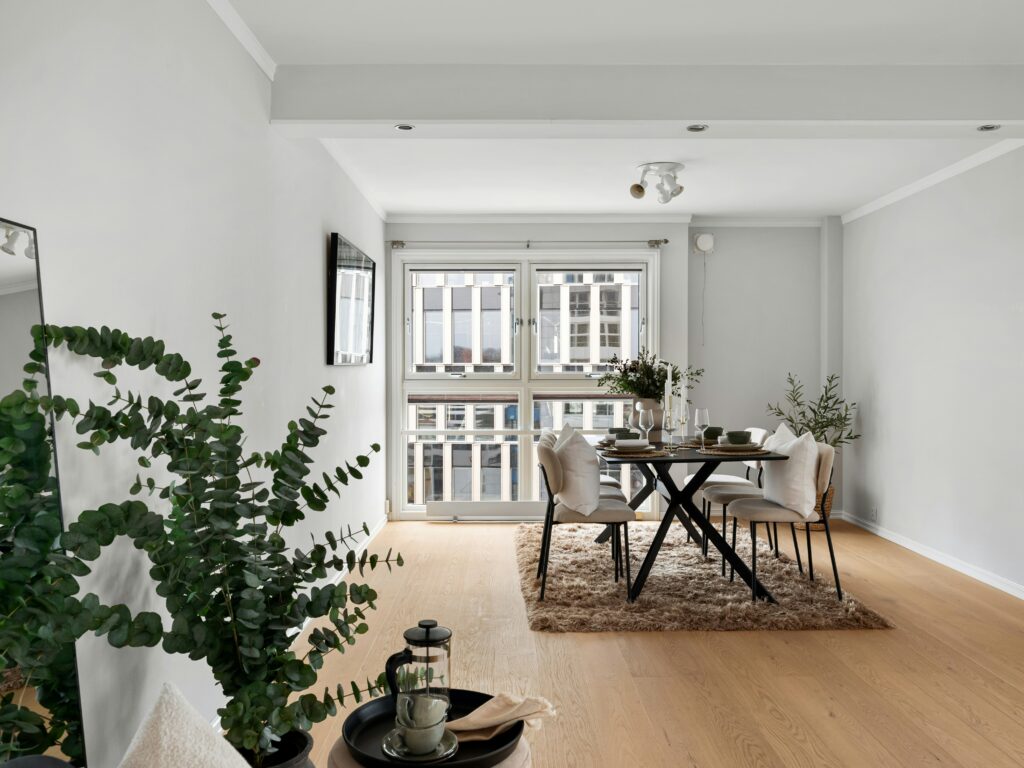
Hardwood flooring has a certain magic to it, doesn’t it? Whether you’ve walked into a cozy bungalow or a sleek modern condo, a hardwood floor just feels different. It’s got that warmth underfoot, the rich tones that catch the sunlight just right, and let’s be honest—there’s a bit of pride in saying, “Yes, that’s real wood.”
But the real question a lot of homeowners are asking isn’t just about the look. It’s about the value. Is hardwood flooring truly worth the investment, or is it just one of those home improvement trends that looks pretty but doesn’t pay off in the long run?
Let’s peel back the varnish and see what real estate agents, interior designers, and everyday homeowners really think.
What the Numbers Say: ROI That Doesn’t Quit
Okay, let’s start with the practical side—because yes, feelings matter, but so does your bank account.
According to most industry reports and surveys, installing hardwood floors can recoup anywhere from 70% to 90% of the project’s cost when it comes time to sell your home. In many cases, especially in mid-to-high-end markets, homes with real wood flooring actually sell faster and for more money. And no, that’s not just marketing talk.
“Hardwood is almost like a silent upgrade,” says Natalie Gomez, a Toronto-based realtor. “Buyers walk in, they see the wood, and their whole perception of the home shifts. It instantly feels more high-end. Even if the kitchen’s a bit dated, that floor adds perceived value.”
She’s not alone in that sentiment. In a 2023 report from the National Association of Realtors, 54% of buyers were willing to pay more for a home with hardwood floors. And get this—over 80% of homeowners who installed them said they had a greater desire to be home afterward. That’s not just about resale value. That’s quality of life.
Aesthetic Appeal: It’s Not Just a Pretty Face
Now let’s talk about the stuff you can’t quantify in dollars. A hardwood floor has a way of tying a space together. Whether you’re into Scandinavian minimalism or rustic farmhouse charm, hardwood tends to play well with every style.
“You can redesign a room ten times over, and your hardwood floor will still work with it,” says interior designer Keisha Hart. “That’s the kind of timeless beauty we don’t see with tile or laminate.”
There’s also the variety—oak, maple, hickory, walnut, you name it. Each species has its own grain pattern, tone, and personality. You can go light and breezy, dark and dramatic, or somewhere in between. And if you ever want a change? Sanding and refinishing can make an old floor look completely new without ripping anything up. Try doing that with vinyl.
Also, a little bonus: hardwood just feels luxurious. It’s got this rich texture and satisfying acoustics underfoot. Even socks feel fancier on a well-finished plank. It’s silly, maybe, but real.
The Longevity Factor: A Floor That Grows With You
Here’s where hardwood starts to crush the competition. While other flooring options—like laminate, vinyl, or even carpet—tend to show their age after 5 or 10 years, a well-maintained hardwood floor can last decades. We’re talking 50 to 100 years in some cases.
Seriously, how many other things in your home will last that long?
“A good hardwood floor is like a cast iron skillet,” says homeowner Steve Bell from Calgary. “It gets better the more you use it. Sure, it might get a few scratches or scuffs, but those can be fixed—or they just add character.”
Even better? It’s easy to maintain. A little sweeping, the occasional damp mop, and maybe a refinishing every 10–20 years depending on wear—and that’s it. Compare that to tearing out stained carpets or replacing chipped tiles, and suddenly wood sounds like the lower-maintenance choice.
Environmental and Health Benefits: The Unexpected Bonus
You might not think about this right away, but hardwood flooring is also a cleaner, greener choice.
Unlike carpet, which can trap allergens, dust mites, and pet dander, hardwood doesn’t harbor those hidden nasties. That makes it a solid pick for allergy sufferers or anyone who just likes breathing clean air. And if you go with responsibly sourced wood, you’re also making an eco-friendlier decision compared to synthetic options that don’t break down in landfills.
“I didn’t expect to care about that stuff,” admits Anna, a homeowner in Vancouver. “But after we switched to hardwood, my kid’s asthma got better. We didn’t change anything else. Just the floor.”
It’s one of those sneaky perks that doesn’t always make the sales brochure—but makes a big difference.
The Real Cost: Is It Really That Pricey?
Let’s be real for a second—hardwood floors aren’t cheap. Depending on the type of wood, installation, and where you live, you could be looking at $8 to $15 per square foot, sometimes more.
But here’s the kicker: while laminate or vinyl might save you upfront, they usually need replacing much sooner. Hardwood? It’s more like a one-time investment. Over 30 years, you might actually spend less with hardwood than replacing cheap alternatives multiple times.
Plus, there’s a middle ground: engineered hardwood. It looks and feels like solid wood but often comes at a slightly lower cost and with easier installation. Not quite the same lifespan, but still way better than laminate in most cases.
Hardwood vs. The Pretenders: Aesthetics Don’t Lie
Sure, there are some convincing laminate and vinyl options out there these days. Some even look surprisingly wood-like. But here’s the thing—most buyers (and guests) can still tell the difference. And even if they can’t, you will.
There’s a tactile element that faux floors just can’t replicate. Real wood has depth, texture, and a temperature that makes it feel, well, real. And when you’re living with something day in and day out, those details matter more than you think.
So, Is It Worth It?
Look, no floor is perfect. Hardwood can dent, scratch, and react to humidity. But with reasonable care, the upsides far outweigh the quirks.
You get timeless style, increased home value, a healthier living environment, and a surface that can grow with your family for decades. Real estate agents swear by it, interior designers adore it, and homeowners who’ve made the switch? Most of them don’t go back.
And maybe that’s the most telling sign. Ask someone who’s had hardwood floors for a few years if they’d trade them for carpet or laminate. The answer is almost always a hard “no.”
So yes—if you’re thinking about upgrading, a hardwood floor is more than just a pretty face. It’s an investment in comfort, character, and value. One that pays off every time you walk across it barefoot with a cup of coffee in hand, soaking up the warmth of a home that just feels right.