
Are Imitation Stone Panels Safe for Bathrooms? What You Need to Know
Thinking about imitation stone panels in your bathroom? Here’s what you should know about moisture, durability, and style before you install.
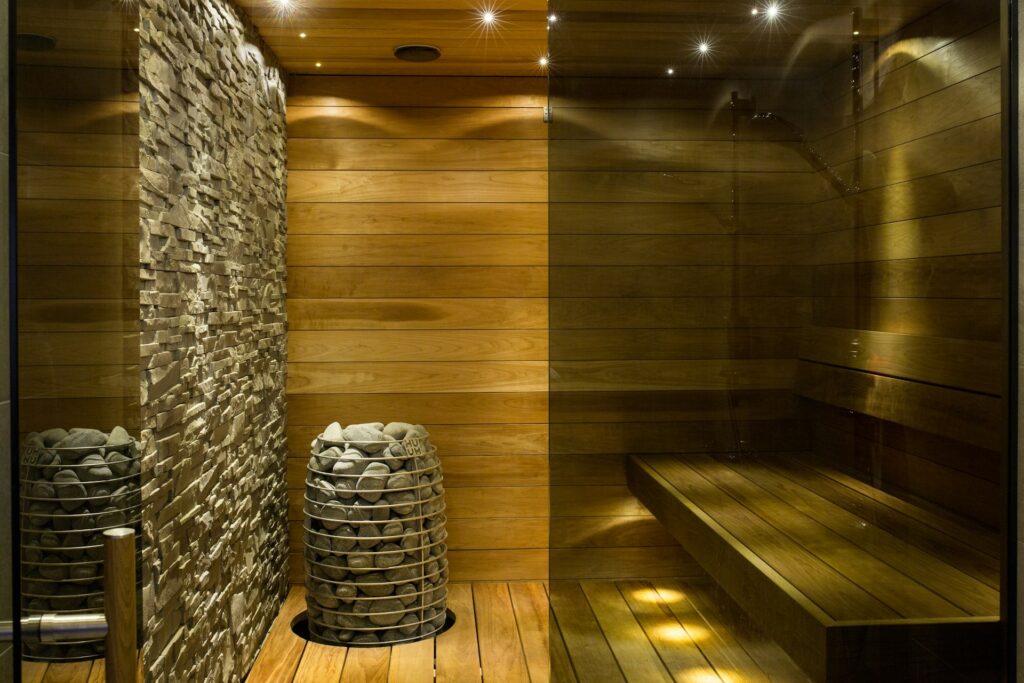
Bathrooms are tricky. You want them to feel relaxing and spa-like, but you also need materials that can handle daily steam, splashes, and the occasional shampoo explosion. Most people reach for tile or waterproof paint without thinking twice — and that’s fine. But what if you want something warmer? Something with real texture? Something that makes the space feel more grounded and a little less sterile? That’s where imitation stone panels come into play.
If you’ve ever scrolled through design blogs or peeked at specialized websites like NextStone Canada’s, you’ve probably seen faux rock wall panels used in living rooms, around fireplaces, or outside on garage facades. But lately, more homeowners are asking — can I bring that same look into the bathroom?
Short answer? Yes. But there are a few things to know before you start sticking panels next to your shower.
What Makes Imitation Stone Panels Bathroom-Friendly?
Let’s start with what these panels are made of — and why that matters.
High-quality faux rock siding, is made from molded polyurethane. Sounds fancy, but what it really means is: it’s lightweight, strong, and won’t absorb water like natural stone or wood. That makes it a solid choice for humid or damp spaces.
These panels are also UV-resistant and designed to stand up to harsh weather conditions — which means they’re more than tough enough to live in your steamy morning routine.
Another perk? They don’t require grout or mortar. So there are fewer places for mold and mildew to hide. You’re not scrubbing tiny cracks or reapplying sealant every few months. A quick wipe now and then is usually all it takes to keep them looking good.
So, Where Can You Use Imitation Stone Panels Inside a Bathroom?
Here’s the part where a little planning goes a long way. While the panels themselves can handle moisture, there’s a difference between being “water-resistant” and “fully waterproof.”
Translation — they’re not made to go inside a shower. Constant direct spray? Not ideal. But there are still plenty of bathroom zones where they shine.
You can use faux rock wall panels:
- Behind a freestanding tub as a textured feature wall
- As a vanity backdrop for added drama and depth
- Around a mirror to give the space a cozy, rustic feel
- On a half-wall or wainscoting to balance tile and break up flatness
- As a bold accent behind open shelving or built-in cabinetry
Basically, if it’s a wall that’s exposed to humidity but not being blasted by water every day, faux rock siding is fair game.
What About Mold and Maintenance?
Good news here — imitation stone panels don’t act like natural stone. They’re not porous. They don’t trap moisture. And when properly installed, they form a tight, sealed surface that won’t grow anything you don’t want growing.
Of course, like any material, installation matters. You’ll want to make sure you’re working on a clean, dry surface. If the wall is prone to heavy condensation, consider installing a moisture-resistant backing board underneath just to be safe.
Once they’re up, maintenance is minimal. Dust them off. Wipe with a damp cloth when needed. No special soaps. No sealers. No grout lines collecting grime.
That low-maintenance bonus is what makes them so appealing for busy households where the bathroom sees a lot of action.
Do Faux Rock Panels Look Right in a Bathroom?
Totally fair question. Bathrooms are usually sleek and clean. Stone sounds… rugged. Maybe too rustic?
But that’s the beauty of today’s faux panels. You’ve got options.
Styles like Slatestone and Country Ledgestone come in tones that range from soft beige and sandy taupe to moody gray and charcoal. You can go subtle and earthy, or bold and modern — depending on the color palette you’re working with.
Imagine a warm-toned panel behind a clawfoot tub with brass fixtures and wood shelves. Or picture dark, matte stone behind a white vanity with black lighting and hardware. Suddenly, that bathroom feels like it belongs in a boutique hotel or a high-end cabin.
Texture does what flat paint can’t. It adds life. Personality. Something unexpected.
A Few Pro Tips Before You Get Started
- Test your lighting. Stone looks different in daylight, warm light, and cool light. It casts shadows and reflects in interesting ways. Hold a sample up under your vanity light to get a feel for how it’ll actually look in your space.
- Avoid full walls in small bathrooms. Too much texture in a tight space can feel overwhelming. Use faux rock panels strategically — a vertical stripe, a framed section, or a lower half-wall can give you the same vibe without closing the room in.
- Seal the edges well. Around vanities, tubs, or backsplashes, make sure seams are caulked or trimmed to keep moisture from sneaking behind the panels.
- Stick with neutral tones if you’re unsure. Gray and taupe pair well with most flooring, tile, and countertops. If you’re feeling indecisive, start there.
Is It Worth the Effort?
Look, bathroom renos can get messy fast. Plumbing, tiling, flooring — it adds up. But adding faux rock wall panels to one or two walls? That’s a refresh you can finish in a weekend.
You don’t need special tools. You don’t need a crew. And when it’s done, your bathroom doesn’t just look new — it feels different. Warmer. More textured. Like a space you actually want to hang out in instead of rushing out of with a toothbrush in your mouth.
Plus, it’s a design move that stands out without being loud. Subtle impact. Big upgrade.
And the best part? It still holds up after dozens of hot showers, toothpaste mishaps, and those chaotic weekday mornings.
If you want to learn more about imitation stone panels, just follow the link: https://nextstonecanada.com/blogs/news/imitation-stone-panels-simplicity-and-style