
Understanding Manufactured Stone Veneer: A Practical Look at Prestige Stone Products in Canada
Stone has been used in construction for thousands of years, not just for its strength but also for the sense of stability and texture it brings to a surface. In modern Canadian building and renovation work, one material that has gained steady attention is manufactured stone veneer. It offers a way to introduce the appearance and character of real stone into a project without the weight, cost, or structural requirements of traditional masonry. Among the options available in Canada, Prestige Stone Canada (https://prestigestonecanada.com/) is one name that often appears in discussions around this type of material, particularly for homeowners looking for realistic textures and consistent finishes.
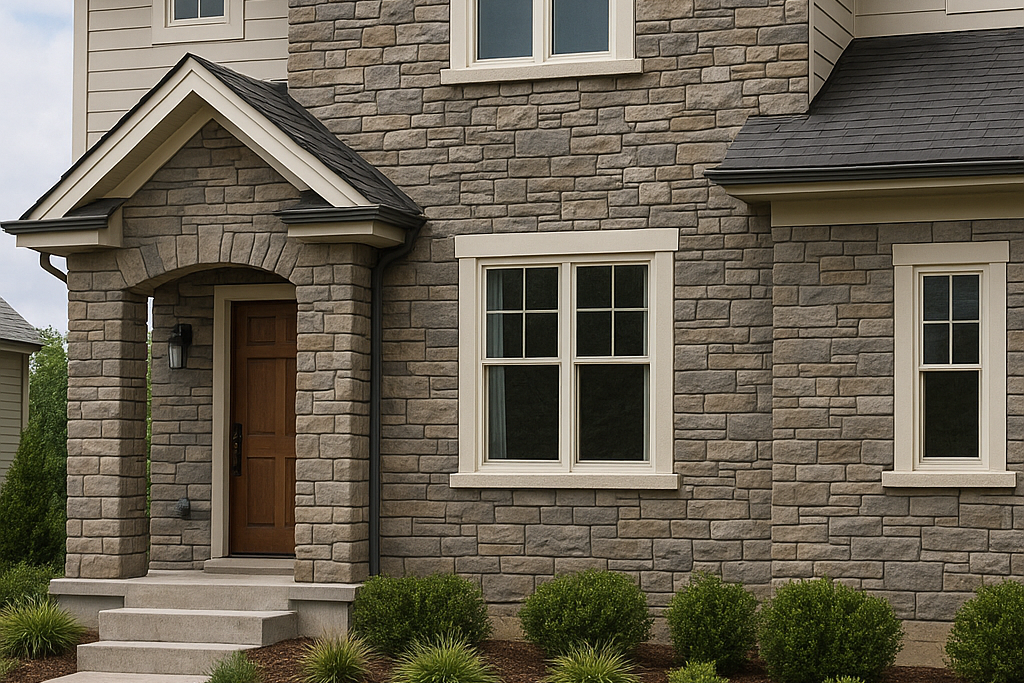
Stone has been used in construction for thousands of years, not just for its strength but also for the sense of stability and texture it brings to a surface. In modern Canadian building and renovation work, one material that has gained steady attention is manufactured stone veneer. It offers a way to introduce the appearance and character of real stone into a project without the weight, cost, or structural requirements of traditional masonry. Among the options available in Canada, Prestige Stone Canada (https://prestigestonecanada.com/) is one name that often appears in discussions around this type of material, particularly for homeowners looking for realistic textures and consistent finishes.
Manufactured stone veneer is essentially a lightweight architectural covering. It isn’t structural; instead, it is installed on prepared surfaces to create the visual effect of natural stone. Because the pieces are molded from actual stones, much of the irregularity and surface variation is preserved. This gives the finished installation the appearance of traditional stonework even though the underlying wall system may be wood frame, concrete block, or another common building material.
Where natural stone can be difficult to transport and requires specialized handling, manufactured veneer is designed to be workable for typical renovation projects. This makes it feasible not only for new construction but also for upgrades on older homes that were never engineered to support the load of quarried stone. In many cases, the material is used to highlight specific areas rather than entire walls—around entrances, near foundation lines, on interior feature walls, or surrounding fireplaces.
One of the profiles many people encounter when exploring options is Ledgestone. This style is characterized by a horizontal, layered appearance with varied heights and textured surfaces. It is often chosen when the goal is to achieve a structured look without being too formal. Ledgestone can appear in both interior and exterior applications, and because its lines are linear, it can blend into a wide range of design approaches, from traditional to more modern.
Although manufactured stone veneer is not natural stone, it still has considerations worth understanding. Because it is a surface material rather than a structural one, installation technique matters. Proper moisture management, the right metal lath or substrate preparation, and correct spacing help prevent issues such as water intrusion or uneven settling. Most installers follow the same general principles as with stucco or thin masonry products.
Climate exposure is another area often discussed in Canadian contexts. Manufactured stone veneer is typically produced using concrete and mineral pigments, which means it is capable of handling freeze–thaw cycles when installed according to industry guidelines. Homeowners who are considering the material for areas with direct weather exposure usually check installation recommendations for overhangs, flashing, and drainage to ensure it performs as intended.
One practical advantage of materials like those from Prestige Stone Products is consistency of colour. Natural stone colours can vary dramatically depending on the quarry and even from pallet to pallet. Manufactured veneer uses controlled pigmentation, so once a homeowner or builder selects a specific style, they can expect the project to maintain a uniform appearance across all components. This is helpful for large or multi-phase projects where matching natural stone could otherwise be a challenge.
Interior use of manufactured stone veneer has grown significantly as well. Many homeowners choose it as a way to introduce texture into rooms that would otherwise consist of smooth surfaces—drywall, cabinetry, tile, and flooring. A stone feature wall, for example, changes how light behaves in the room. Shadows become more pronounced, and the space tends to feel more grounded. Because the veneer is lighter than full stone, it can be installed on typical interior framing without modification.
From a maintenance perspective, the material is relatively straightforward. Routine cleaning usually involves nothing more than water and a mild detergent. Harsh chemicals are avoided because they can affect pigments. Since manufactured stone is not load-bearing, its longevity is linked to the stability of the substrate and the quality of the installation rather than the stone itself.
When exploring options, many homeowners look at texture first, then at colour. Prestige Stone’s collections include patterns inspired by different geological formations—more rugged pieces, flatter linear stones, and stones with rounder contours. While all fall under the category of manufactured stone veneer, the differences in shape affect the overall visual impact. Ledgestone, for instance, emphasizes long horizontal shadows, while more irregular profiles scatter light in many directions.
People who are beginning their research often start by examining examples rather than technical specifications. Being able to see how a material looks in full installations—larger surfaces, corner transitions, interior applications—makes it easier to understand the scale of the stones and how they influence the overall atmosphere of a space. For anyone specifically wanting to examine the Ledgestone profile as a reference point, the information is available at: https://prestigestonecanada.com/ledgestone/
Manufactured stone veneer is ultimately a practical response to a familiar desire: to incorporate the warmth and presence of stone without the limitations that come with the natural material. It has become a common choice for accenting Canadian homes not because it replaces natural stone but because it provides an accessible alternative with its own set of advantages. Prestige Stone and similar producers supply the shapes, colours, and textures that allow homeowners and builders to adapt the material to a wide range of environments, from exterior façades to small indoor architectural details.
As the demand for textured surfaces continues to grow, manufactured stone veneer remains a material worth understanding. Its balance between appearance, practicality, and flexibility helps explain why it appears so frequently in renovations, new builds, and interior design projects across the country.