
Understanding Faux Stone Wall Panels: How Modern Imitation Stone Panels Are Shaping Interior and Exterior Design
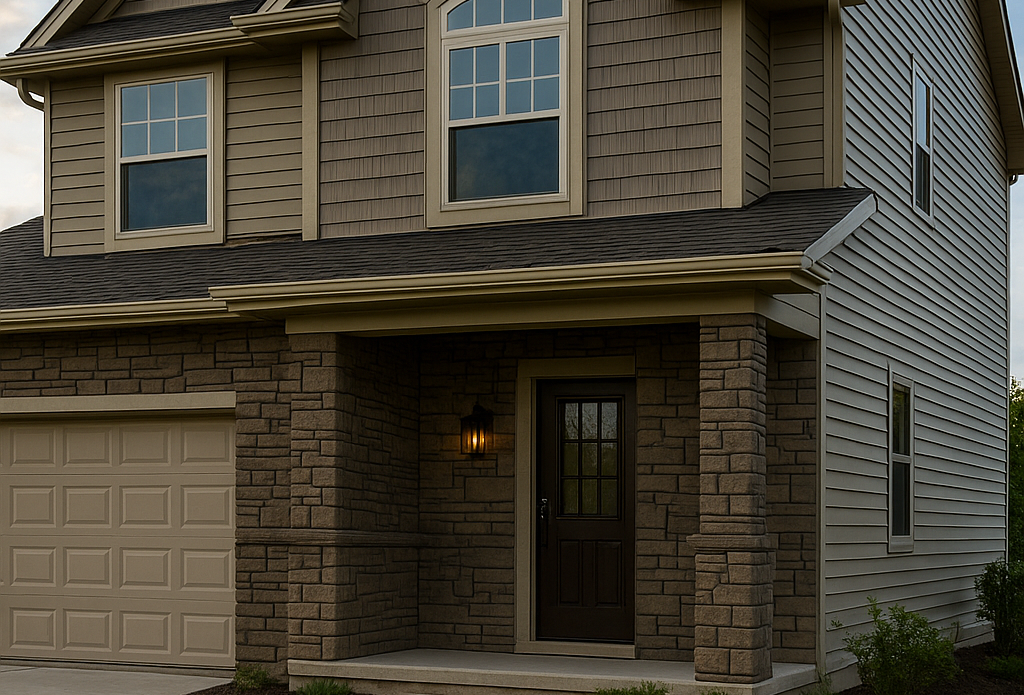
Stone has always carried a certain presence. Whether used on the outside of a building or around a family fireplace, it adds weight, texture, and a sense of permanence. But natural stone also comes with practical limitations: cost, weight, installation difficulty, and structural requirements. This is where faux stone wall panels, sometimes called imitation stone panels or faux rock panels, have become a practical alternative for both homeowners and designers.
Faux stone technology has advanced to the point where most people struggle to distinguish a quality panel from a natural stone surface. The textures, shadows, and irregular shapes are molded directly from real stones, and the finished product is much lighter. This single difference changes what is possible in renovation and design.
What Faux Stone Wall Panels Actually Are
A faux stone panel is typically made from polyurethane or a similar lightweight material. The molds capture the textures of natural rock formations, while the surface is finished with pigments that imitate mineral colouration. Though these panels do not have the structural properties of stone, they replicate the visual effect extremely well.
One advantage often noted by installers is weight. Instead of needing masonry support, faux stone panels can be fastened to surfaces that traditional stone could never be applied to without reinforcement—such as framed interior walls or upper-level exteriors. For someone planning a remodel, this means fewer construction constraints and far more design freedom.
A general overview of stone and its geological origins is explained here on Wikipedia: https://en.wikipedia.org/wiki/Stone
This helps illustrate the contrast between natural stone and engineered alternatives, showing why lightweight stone-look materials have become so widely adopted.
Many manufacturers create faux stone wall panels today, and examples of modern panel systems can be seen at https://nextstone.com, which helps illustrate how lightweight stone substitutes are designed and formatted.
Why Imitation Stone Panels Are Becoming So Common
Professionals often point to three reasons: versatility, consistency, and practicality.
- Versatility
Because imitation stone panels weigh so little, they can be used in places where real stone is impractical. Installing stone behind a fireplace, around a stairwell, in a basement media room, or on a long expanse of exterior siding becomes far simpler. - Consistency
Real stone varies widely between batches. Faux rock panels have controlled colours and repeatable patterns, allowing for clean, predictable installation results. - Practicality
Homeowners who want the look of stone do not always have the budget or timeline required for masonry work. Faux panels allow them to achieve a similar aesthetic with far fewer logistical concerns.
Faux Stone Fireplaces: A Popular Application
One of the most common places people encounter imitation stone is around a fireplace. A faux stone fireplace provides the look of a traditional stone hearth without adding significant weight to the wall. In older homes, especially those built with lighter framing, this is a major advantage.
The thermal environment around a fireplace also raises questions. The panels themselves aren’t exposed directly to flames, and they’re usually installed with proper clearance according to fireplace manufacturer guidelines. Because they don’t expand and contract like natural stone, they handle indoor temperature variations well.
People choose faux stone fireplaces for several reasons:
- They visually anchor the room.
- They work with both rustic and contemporary interiors.
- They introduce warmth and texture into rooms dominated by flat surfaces.
- They can be installed without altering the home’s structural components.
The overall effect is a fireplace that feels crafted rather than constructed.
How Faux Rock Panels Are Used Outdoors
While many homeowners begin with interior projects, faux stone wall panels are often extended to exterior façades once they see the material’s potential. Because the panels resist moisture and UV exposure when installed properly, they are suitable for:
- Entryway columns
- Accent walls
- Foundation lines
- Garage surrounds
- Outdoor kitchens or patio features
The reduced weight allows builders to add stone-like texture high up on exterior walls or in areas where full masonry would have introduced cost or engineering complications.
Installation Considerations (Without Getting Too Technical)
Although faux stone panels are simpler to install than natural stone, they still require a few key steps:
- The substrate must be clean and properly prepared.
- Panels are interlocked or overlapped to hide seams.
- Adhesive and mechanical fasteners are often combined for stability.
- Trim pieces help finish corners, edges, and transitions.
Most installers note that the learning curve is short, and homeowners sometimes choose to handle small projects themselves.
A Material That Supports Creativity
Perhaps the biggest reason faux stone continues to increase in popularity is that it invites experimentation. Because it is lighter and easier to handle, people feel more comfortable using it in unexpected ways—such as wrapping a kitchen island, creating a partial wall in a hallway, or designing a textured backdrop for shelving.
This flexibility makes imitation stone panels something more than a substitute for natural stone. They are, for many people, a means of adding architectural character where it previously seemed impossible or impractical.
Faux stone wall panels, imitation stone panels, and faux rock panels are not meant to replace natural stone in every situation. Instead, they fill a practical space in modern design—allowing homeowners, builders, and designers to introduce the appearance of stone into everyday spaces with fewer limitations. From a faux stone fireplace to an outdoor accent wall, the material offers a blend of realism and convenience that has made it a familiar sight in both new construction and renovation projects.