
Understanding How Windows and Doors Shape the Comfort and Function of a Home
f you ask most homeowners what part of their house they think about the least, the answer is usually the windows and doors. They’re so familiar—so everyday—that people rarely pause to consider how much these openings influence the way a home feels, breathes, and even sounds. But the truth is that windows and doors quietly shape nearly every aspect of day-to-day living. They determine how much light enters a room, how air circulates, how secure a space feels, and how comfortable it stays when the seasons change.
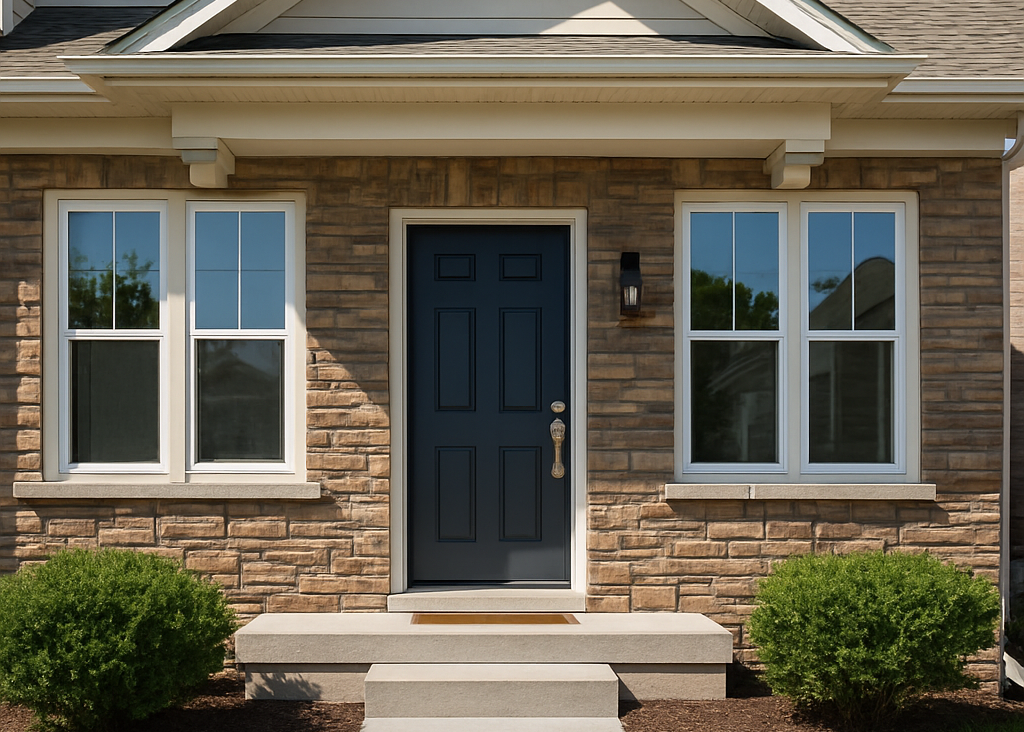
f you ask most homeowners what part of their house they think about the least, the answer is usually the windows and doors. They’re so familiar—so everyday—that people rarely pause to consider how much these openings influence the way a home feels, breathes, and even sounds. But the truth is that windows and doors quietly shape nearly every aspect of day-to-day living. They determine how much light enters a room, how air circulates, how secure a space feels, and how comfortable it stays when the seasons change.
The definition of a door might seem obvious, but reading the simple breakdown on Wikipedia reminds you how important these elements really are in the structure of a building: https://en.wikipedia.org/wiki/Door
All doors share the same purpose—providing passage and protection—but the materials, locking systems, energy performance, and durability vary wildly. The same is true of windows, even though people tend to think of them only as panes of glass.
Visiting a site like https://forhomes.ca
is often how homeowners begin comparing these differences. Not because they’re shopping for anything specific, but because it’s the easiest way to see how many types of windows and doors actually exist.
Why Homes Use So Many Different Window Types
One of the most surprising things people discover when they start paying attention to windows is that there’s rarely a “one size fits all” design. A house might have tilt and turn windows in one area, sliding windows in another, casements in bedrooms, and something entirely different in the basement. Each style responds to a slightly different need—ventilation, safety, light, or layout.
Take custom windows, for example. These are usually chosen when a wall opening is an unusual size or shape, or when a homeowner wants to bring in more natural light than a standard window would allow. They often appear in stairwells, older homes, or areas where symmetry matters. They’re less about trend and more about solving a specific architectural problem.
Vinyl windows continue to be common because they’re practical. They resist moisture, they don’t need painting, and they can handle the temperature swings of Canadian seasons without warping. Aluminum frames, on the other hand, are stronger and often used in modern designs or places that require slimmer profiles.
Some homeowners choose tilt and turn windows because they offer two modes of ventilation—opening inward like a casement, or tilting from the top for controlled airflow. They’re widely used in Europe, and they’re slowly becoming more familiar in North America as people renovate or build with energy performance in mind.
Doors: More Than an Entry Point
While windows tend to influence comfort and atmosphere, doors deal more directly with security and flow. A steel entry door, for instance, isn’t chosen only for appearance. It’s selected because of its strength, insulation value, and long-term durability. Exterior doors face weather in ways interior doors never do, so materials matter.
Aluminum sliding doors and patio doors serve a different role entirely—they blur the boundary between indoors and outdoors. People who spend a lot of time on their deck or backyard quickly realize how much smoother life feels when the access point works properly and slides easily. When the door sticks or fogs up or lets in drafts, it becomes noticeable very fast.
There are also hybrid systems, such as aluminum patio doors with energy-efficient glass, or multi-panel sliding doors designed to open wider than traditional two-panel doors. These aren’t luxury features anymore; they’ve become practical elements in homes where natural light and outdoor living are important.
Small Differences That Influence Daily Life
What often surprises homeowners is how much a new window or door changes the “feel” of a space. A room that once felt dim suddenly becomes a favourite reading spot. A sliding door that glides smoothly makes stepping outside feel natural rather than like a chore. Improved insulation around windows and doors reduces drafts in winter and helps maintain stable temperatures in the summer.
Noise also changes—homes near busy streets notice the difference right away. Even small things, like the way a handle feels or how a lock engages, can influence how comfortable and secure a person feels in their own home.
When browsing through options on forhomes.ca, many people aren’t necessarily looking for style first; they’re trying to understand which type of window or door makes sense for their situation. The variety—steel entry doors, custom windows, vinyl windows, aluminum doors, sliding systems—can seem overwhelming at first, but each type exists because homes aren’t all built the same and people don’t all live the same way.
What Homeowners Often Consider Before Replacing Anything
Most decisions tend to come down to a few practical questions:
- How much natural light does the room get?
- Is ventilation important in this part of the house?
- Does the door face harsh weather or direct sunlight?
- Is noise reduction a priority?
- How easy is it to operate the window or door daily?
Energy performance matters too, especially in climates with extreme temperature shifts. Modern insulated glass, improved weatherstripping, and tighter frame systems reduce energy loss, which becomes noticeable both in comfort and on utility bills.
For many older homes, upgrading windows and doors isn’t about changing the look—it’s about improving how the home functions. Drafty rooms become comfortable again. Condensation disappears. Sticking patio doors move smoothly for the first time in years.
An Overlooked Part of Home Design
People often focus on kitchens, bathrooms, flooring, and paint colours when thinking about a renovation. Windows and doors rarely get the spotlight, yet they influence the experience of a home in ways that aren’t always obvious until they’re changed.
They shape airflow, temperature, light, sound, and even how connected someone feels to the outside world. A simple sliding patio door can make outdoor meals easier. A well-placed custom window can illuminate a hallway that used to feel cramped. A sturdy entry door can bring peace of mind.
And unlike decorative elements, windows and doors quietly work every day without calling attention to themselves.
Whether someone is choosing vinyl windows, aluminum sliding doors, or a new steel entry door, the decision is rarely just about aesthetics. It’s about making the home more functional, more comfortable, and in many cases, more efficient. The materials, mechanisms, and glass technologies have evolved so much over the years that even small improvements can have a noticeable effect on everyday living.
Exploring real examples—like those shown at ForHomes’s website—often helps homeowners understand the possibilities. Sometimes the change people need isn’t a renovation at all but simply a better window or door.