
How to Maintain the Look of Your Stone Veneer Year-Round
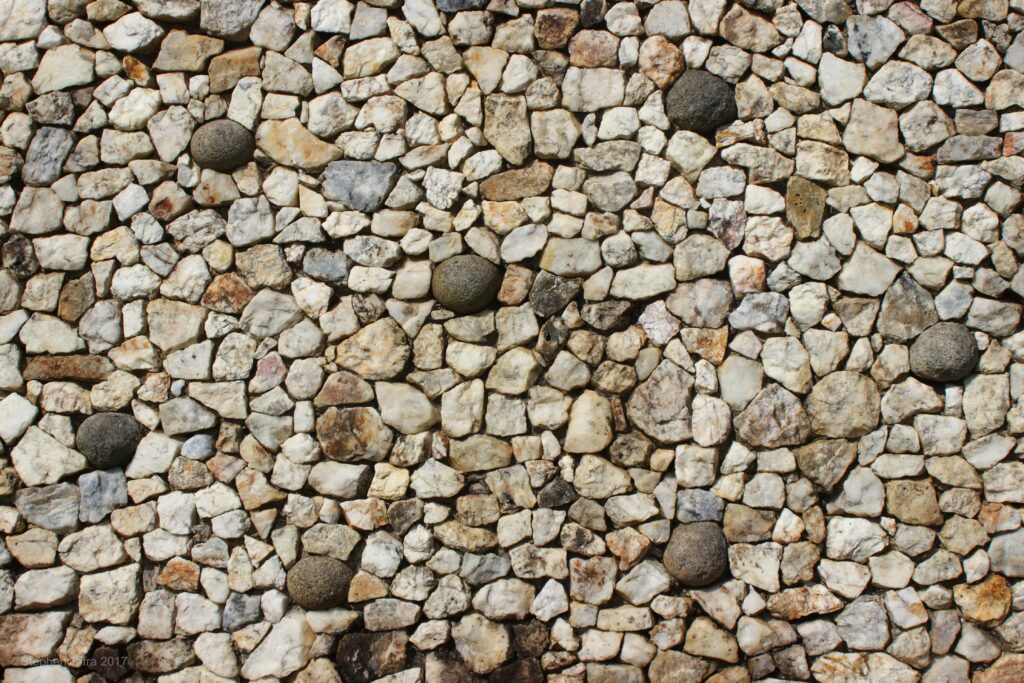
Stone veneer—whether you’ve gone with natural or manufactured—has that irresistible charm. It gives your home this grounded, timeless look. It’s got character. But like anything beautiful, it needs a little love to keep it that way. And no, you don’t need a stone mason on speed dial or a pressure washer every other weekend. You just need a good strategy and a bit of seasonal attention.
So, if you want your stone veneer to keep turning heads (and not fall apart from neglect), let’s talk real maintenance—nothing fluffy or overly technical. Just honest tips, some friendly advice, and a dash of common sense.
What Exactly Is Stone Veneer, Anyway?
Quick recap—just so we’re all on the same page.
Stone veneer is a thin layer of stone (either natural or faux) that’s used as a decorative facing on walls, fireplaces, chimneys, and even outdoor features like pillars or garden walls. It’s not structural. It’s there to impress. And it totally does. The key thing? It still faces the elements, so even though it’s not load-bearing, it can wear out or get damaged over time if it’s not properly cared for.
Let’s Be Real: Stone Veneer Isn’t “Set It and Forget It”
Some folks assume stone veneer is this magical material that looks amazing forever. Hate to break it to you—but nature, time, and weather don’t care what your exterior looks like. Rain gets in. Dirt clings on. Moss shows up uninvited. And in Canada, where winters are no joke, freeze-thaw cycles can wreak havoc if water sneaks behind those stones.
So yeah, a little effort goes a long way.
Step One: Make Cleaning a Seasonal Ritual (But Not an Obsession)
Here’s the deal: you don’t need to scrub your veneer like it’s a kitchen floor. But giving it a gentle clean a few times a year? That’s golden.
Spring and fall are perfect for this. Grab a soft-bristle brush, a bucket of warm water, and a mild detergent. And skip the bleach, unless you’re trying to say goodbye to your stone’s natural charm.
Give the surface a once-over, focusing on areas where dirt or algae seem to gather. Rinse it down with a garden hose—nothing high-pressure that might loosen the mortar or drive water into places it doesn’t belong.
Is it thrilling? Not particularly. But it’s one of those simple chores that pays off big in the long run.
Watch for the Creepers: Moss, Algae, and Mildew
Some stone veneers—especially ones in shady or damp spots—start playing host to green fuzz or dark patches. And while it might seem rustic at first, it’s not cute for long.
Moss and mildew trap moisture, and moisture is public enemy #1 when it comes to stone veneer longevity. If you spot early signs, treat it fast. A vinegar-water mix (think 1:1 ratio) usually does the trick without damaging the stone or the environment.
Honestly, this step alone can make your stone look years younger.
Let It Breathe: Gutters and Drainage Matter More Than You Think
Here’s something not everyone considers: water problems don’t always start at the stone.
Clogged gutters and poor drainage can cause water to pool or splash against your veneer, leading to staining, cracking, or worse—moisture getting trapped behind the stone, which can eventually loosen it or cause hidden mold issues.
Keep your gutters clear and make sure your downspouts aren’t pouring water where they shouldn’t. Check the base of your walls after a rainstorm. If you see puddles? It’s time for a drainage upgrade. You’re not just saving your veneer—you’re protecting your whole house.
Freeze-Thaw Woes: Winter Prep Is Non-Negotiable
If you live in a place with freezing winters (hi, Canada), you’ve got another layer of responsibility. Water gets into cracks and pores, freezes, expands, and—boom—damage.
Here’s how to stay ahead of that:
- Check for cracks or missing mortar in the fall. Even tiny ones.
- Use a waterproof, breathable sealant (yep, those exist). You want moisture to stay out, but if any gets in, it needs a way to escape.
- Avoid piling snow or ice-melt salt directly next to veneer walls. Salt can stain, and wet snow is basically a long-term soak your stone never signed up for.
Little things, big difference.
Repointing: Don’t Panic, But Don’t Ignore It Either
Over time, the mortar joints in your veneer can crack or crumble. This is normal. It doesn’t mean your wall’s about to fall down, but it does mean it’s time to repoint—that’s the fancy term for replacing damaged mortar.
If you notice gaps or loose stones, call in a pro. Trying to DIY it without the right materials or mix can make things worse. Plus, matching the existing mortar color is an art form in itself. Leave that to someone with a steady hand and a good eye.
The Sealant Debate: To Seal or Not to Seal?
Ah, the age-old debate in stone veneer circles (okay, maybe not age-old, but it comes up a lot).
Should you seal your stone veneer?
Some experts say yes—it protects against staining and water damage. Others say no—sealers can trap moisture and actually cause damage over time if not properly chosen or applied.
Here’s the middle ground: If your veneer is in a high-risk area (like near BBQ grease, driveway runoff, or constant splash zones), a breathable sealer can be a smart move. Just don’t overdo it, and never use anything that creates a glossy surface. That’s a shortcut to disappointment.
When in doubt, talk to the manufacturer. They usually know what their product can handle best.
Keep Landscaping at Arm’s Length
Bushes, vines, and decorative grasses can look amazing next to stone—but they’re not always great neighbors. Ivy, for example, is notorious for clinging to stone and sneaking into joints. Roots can wedge into cracks. And branches brushing up against the wall can slowly wear away at the surface.
Trim things back. Give your stone room to breathe. Think of it like personal space—it keeps the relationship strong.
Every Few Years, Do a Close-Up Inspection
Once every two or three years, take a slow walk around your house. Really look at your veneer. Tap a few stones. Notice any that feel loose? Any changes in color or moisture streaks?
Catch problems early, and you’ll save a lot of time, stress, and cash.
It’s like going to the dentist: maybe not the most exciting hour of your life, but skipping it only makes things worse.
Final Thoughts (But Not Too Final…)
Stone veneer has this way of making a house feel warm, solid, and stylish all at once. But it’s not magic—it needs care. Luckily, the kind of care it needs is straightforward, predictable, and even a little meditative if you let it be.
Treat your stone right, and it’ll stay gorgeous for years. Ignore it, and you’ll slowly watch that elegance crumble—literally.
So don’t overthink it. Just stay consistent. Clean a little. Watch for trouble. And once in a while, just admire it. That’s part of the upkeep too.
Because honestly? If you’re going to invest in something that makes your home this stunning, it deserves a bit of attention now and then.