
What Nature Teaches Us About Design: Limestone, Fieldstone & Natural Stone Veneers
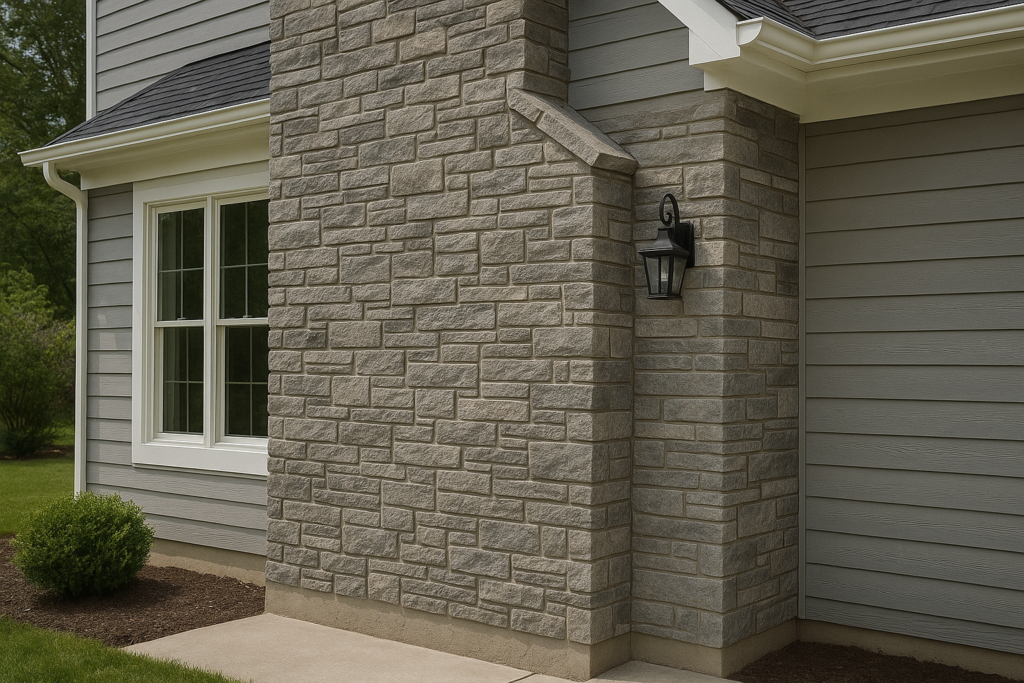
When you think about natural materials in architecture, stone is often the first thing that comes to mind. There’s a reason we’re still drawn to it, even in an age where we could build every surface out of engineered composites. Stone feels honest. Permanent. Familiar in a way that metal and glass rarely are.
This attraction to natural textures has led many homeowners back toward stone veneers — not the heavy, old-fashioned ones, but modern thin veneers that capture the essence of natural stone without requiring a structural rebuild. If you’ve never looked closely at natural stone veneers before, here’s one reference worth exploring: https://canyonstonecanada.com/naturalstones/naturalstone/Natural-Stone-Veneer
What makes natural stone veneer so appealing is the variability that can’t be manufactured. No panel looks exactly like another, and those tiny inconsistencies bring depth and visual richness to a room. When sunlight moves across the surface, you notice details you didn’t see before — shadows tucked between edges, subtle colour changes, and grains that hint at geological history.
But natural stone veneer isn’t a single category; it branches into multiple types, each with its own personality. Take limestone rock, for example. It’s one of those stones that never goes out of style because of its soft, neutral character. Most limestone carries gentle beige, cream, or pale grey tones, making it incredibly versatile. You can see an example here: https://canyonstonecanada.com/limestones/limestone/Lime-Stone
Limestone rock has a calming presence. It’s often used in homes where the goal is to create a peaceful, understated environment rather than a dramatic feature wall. In modern interiors, limestone pairs well with minimalist layouts, warm wood floors, and black-metal accents. Outside, it blends seamlessly with Canadian landscapes — especially when paired with gardens or natural-coloured siding.
On the opposite end of the spectrum is field stone, often chosen for its rugged, irregular shapes. If limestone is the refined gentleman of the stone world, field stone is the outdoorsy, adventurous type. Uneven edges, varied sizes, and unpredictable textures make every installation feel personal. Here’s one example of the style: https://canyonstonecanada.com/fieldstones/fieldstone/Field-Stone
Designers often recommend field stone when homeowners want to create the look of full stone veneer without the weight or expense of traditional masonry. It’s especially effective for cottages, rustic homes, or any exterior where you want the building to feel like it grew out of the landscape rather than being placed onto it.
Together, these three stones — natural stone veneer, limestone rock, and field stone — reflect different philosophies in design. Natural stone veneer celebrates variation. Limestone celebrates calm. Field stone celebrates authenticity and rugged charm.
The best part? Modern veneers don’t limit you to one aesthetic. You can mix materials, create transitions, and experiment without committing to heavy structural work. It’s a gentle, modular way to bring nature indoors (or accent your exterior) without major renovation headaches.